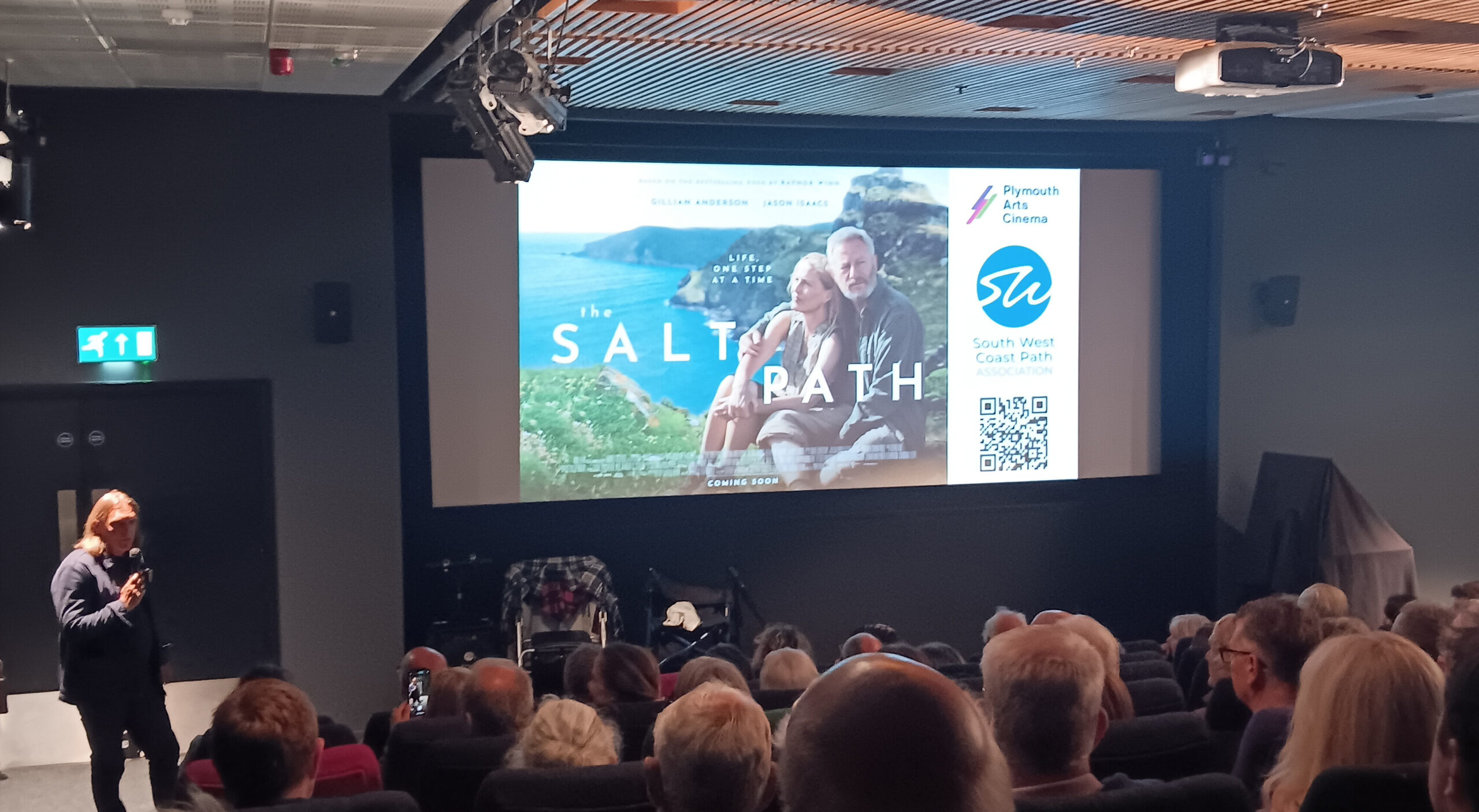
The Salt Path Film Review: Anderson & Isaacs Walk 600 Miles into Our Hearts
There’s something inherently transformative about embarking on a challenging journey, especially when life throws its most brutal curveballs. Such is the premise of The Salt Path Film, a deeply moving cinematic adaptation of Raynor Winn’s best-selling memoir. This isn't just a film; it's an immersive experience that invites viewers to walk alongside Raynor and Moth Winn as they face homelessness, illness, and the daunting prospect of a 600-mile trek along Britain's rugged South West Coast Path. Starring the exceptional Gillian Anderson as Raynor and Jason Isaacs as Moth, this film promises to be a poignant exploration of resilience, love, and the rediscovery of self amidst stunning landscapes.
From the outset, The Salt Path Film distinguishes itself not as a glossy Hollywood spectacle, but as a raw, authentic portrayal of human endurance. It delves into the lives of a couple stripped bare of everything they once knew, finding solace and a new purpose in the wild, untamed beauty of the British coastline. For fans of inspirational real-life stories and those who appreciate the power of nature to heal, this film offers a compelling narrative that will undoubtedly resonate deeply.
A Journey Forged in Loss and Illness
The film opens with Raynor and Moth Winn at rock bottom. They’ve lost their cherished farm, their home, and their entire livelihood due to a devastatingly Beyond Hollywood: The Salt Path Film's Heartfelt True Story legal battle stemming from a dodgy investment. If that weren't enough, Moth receives a life-altering diagnosis: a rare, degenerative neurological condition that progressively affects his movement, speech, and ability to swallow. With nowhere left to go and only Moth's meagre disability payments, the couple makes an audacious, almost desperate decision: to walk the entire 600-mile length of the South West Coast Path, from Somerset to Dorset, wild camping along the way.
This isn't a whimsical adventure; it's a fight for survival, both physical and spiritual. The film cleverly uses a non-linear narrative, starting the story at a particularly grim point—a storm-battered tent flooded with seawater—before flashing back to reveal the full weight of their past and the catalyst for their extraordinary undertaking. While the details of their financial ruin and court case are presented minimally, it’s enough to convey the profound sense of injustice and loss they carry. The narrative wisely prioritises their present journey and emotional evolution over exhaustive legal exposition, ensuring the focus remains squarely on their immediate struggles and the path ahead. This narrative choice immerses the audience in their unfolding present, allowing us to experience the raw immediacy of their struggle and their small, hard-won victories.
Anderson & Isaacs: Performances That Ground the Odyssey
At the heart of The Salt Path Film are two utterly captivating performances from Gillian Anderson and Jason Isaacs. As Raynor Winn, Anderson embodies a woman grappling with immense grief and uncertainty, yet possessing an unshakeable will to protect her husband and find a way forward. Her portrayal is nuanced, showcasing Raynor's internal turmoil while projecting an outward strength that becomes the couple's anchor.
Jason Isaacs, as Moth, delivers a powerful and heartbreaking performance. He meticulously captures the physical and emotional toll of Moth's deteriorating condition, from his faltering steps to his quiet dignity in the face of immense pain. Isaacs doesn't shy away from the vulnerability, often relying on subtle facial expressions and body language to convey Moth’s inner world as his speech becomes more challenged. The chemistry between Anderson and Isaacs is palpable; it's a portrayal of a long-standing marriage forged in deep love and mutual reliance. They don't just act as Raynor and Moth; they inhabit them, making their struggles and triumphs feel profoundly real and deeply personal. Their joint effort elevates the film beyond a simple travelogue, transforming it into a compelling character study of two people clinging to each other when everything else has been stripped away. These are truly solid performances that give the film its emotional weight and authenticity.
The South West Coast Path: A Character in Itself
While the human drama is compelling, the true star of The Salt Path Film is arguably the breathtaking British coastline. Cinematographer Hélène Louvart masterfully captures the dramatic beauty of the South West Coast Path, transforming the landscape into an active participant in Raynor and Moth’s journey. From the towering cliffs and crashing waves to the serene coves and wild, windswept moors, every frame is a testament to nature's raw power and restorative beauty.
The film showcases the path in all its glory and challenge: the glorious sunsets over the ocean, the relentless rain, the treacherous ascents, and the moments of profound peace found in secluded spots. Viewers will find themselves not only captivated by the narrative but also inspired by the visuals, perhaps even thinking, “Oh, I’d like to go there.” The path mirrors the couple’s internal state—at times harsh and unforgiving, at others offering solace and unexpected beauty. It becomes a metaphor for their own lives: a long, difficult road filled with unexpected turns, yet always leading forward. For a deeper dive into how the film showcases this magnificent landscape, explore The Salt Path Film: Stunning British Coastline & Life-Affirming Trek.
For those inspired to consider embarking on such a journey, remember that the South West Coast Path is a serious undertaking. It requires careful planning, appropriate gear, and respect for the challenging terrain and unpredictable weather. While the film captures its beauty, it also subtly highlights its rigours, reminding us that nature can be as brutal as it is beautiful.
Beyond Hollywood Glamour: The Authentic Heart of The Salt Path Film
It's important to approach The Salt Path Film with the right expectations. This isn't a blockbuster, nor does it attempt to be. Some might describe it as meandering or slightly repetitive, but these very qualities are precisely what make it so authentic to the experience of a long-distance walk. Life on the path isn't a series of dramatic plot twists; it's a rhythm of steps, small encounters, and enduring the elements. The film embraces this realism, allowing the audience to truly feel the passage of time and the cumulative effort of their journey.
While it might not be a "great film" in the conventional Hollywood sense of high-octane drama or perfectly resolved arcs, its strength lies in its profound emotional resonance. It’s a film that hits you "in the feels," stirring empathy and admiration for the human spirit's capacity to overcome. It’s life-affirming, reminding us that even in the darkest of times, beauty, connection, and hope can be found in the simplest acts of living and walking. For many, its unvarnished honesty and heartfelt portrayal of a true story will make it deeply enjoyable, even lovable. It’s a powerful testament to the idea that true cinematic value often lies in genuine human experience rather than manufactured spectacle.
Conclusion
The Salt Path Film is more than just a review; it’s an invitation to witness an extraordinary true story brought to life with profound sensitivity and stunning visuals. Gillian Anderson and Jason Isaacs deliver performances that are both raw and deeply empathetic, anchoring a narrative that is as much about inner resilience as it is about physical endurance. While it might eschew typical Hollywood conventions, its authentic portrayal of loss, love, and the healing power of nature makes it a uniquely powerful and life-affirming cinematic experience. Whether you're drawn to inspiring true stories, breathtaking British landscapes, or simply the transformative power of a challenging walk, this film is a compelling watch that will stay with you long after the credits roll.